
Amazon Birding Experience (8 Days / 7 Nights)
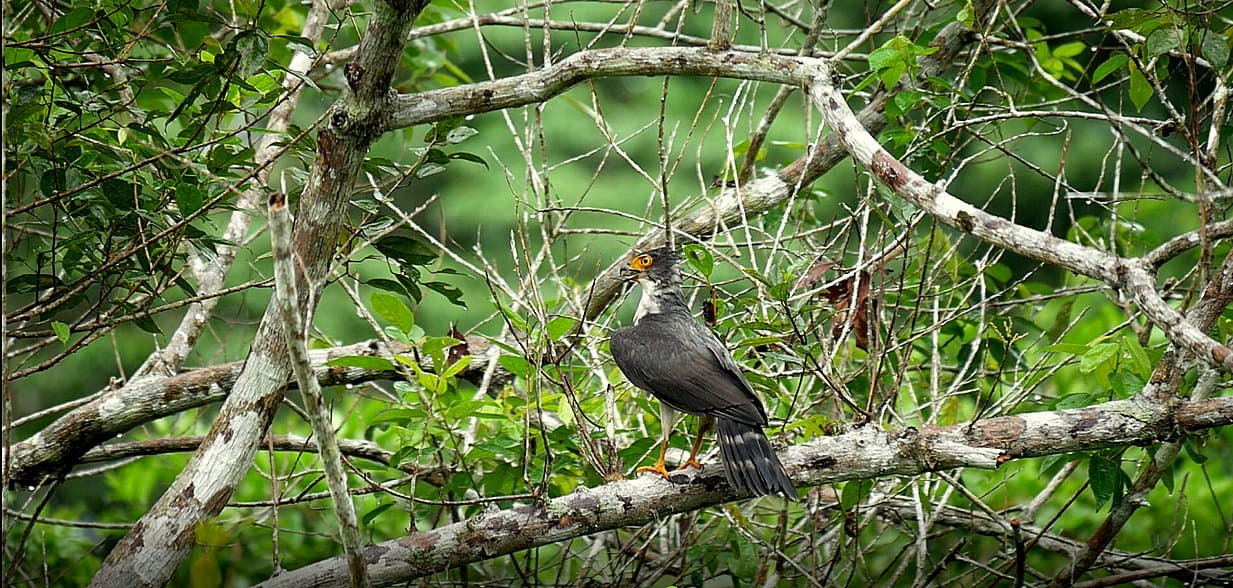
528 Verified Species. The Largest Important Bird Area in Ecuador. Eight Days in the Wild.
Just imagine you’re birding in the remotest place left in the Ecuadorian Amazon — away from speedboats, cargo barges, jam-packed blinds, and noisy generators.
On most nights, you can listen to rarities like Nocturnal Curassow, Black-banded Owl, and Gray-winged Trumpeters, or get familiar with the loud, unique song of the Great Potoo, the screech of the Tawny-bellied Screech-Owl, the call of the Rufescent Tiger-Heron, or the melody of the Common Pauraque — all from your bed.
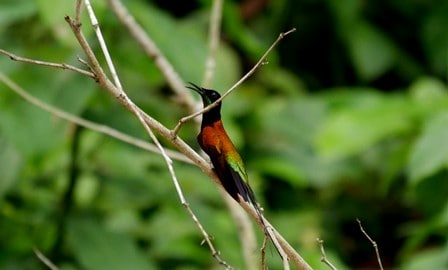
Shiripuno Lodge – Fiery Topaz is among the most beautiful hummingbirds from the Amazon Rainforest in Ecuador
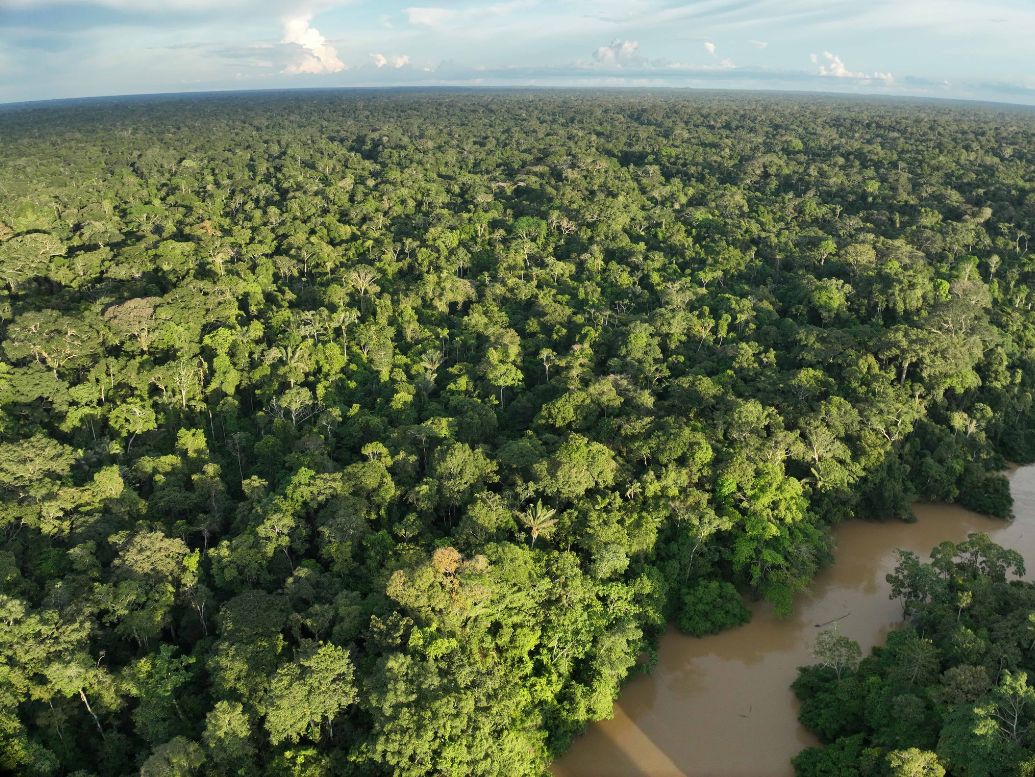
Shiripuno Lodge sits within the Great Yasuní, Ecuador’s largest Important Bird Area (IBA), at the biogeographic crossroads of the Andes, the Western Amazon, and the Equator — where species richness of amphibians, birds, mammals, and vascular plants reaches its global maximum.
Independently verified: our location is a public eBird hotspot with 528 species recorded across 1,238 checklists, submitted by 159 different birders.
Explore the data here: ebird.org/hotspot/L1817625
Enquire About This Trip
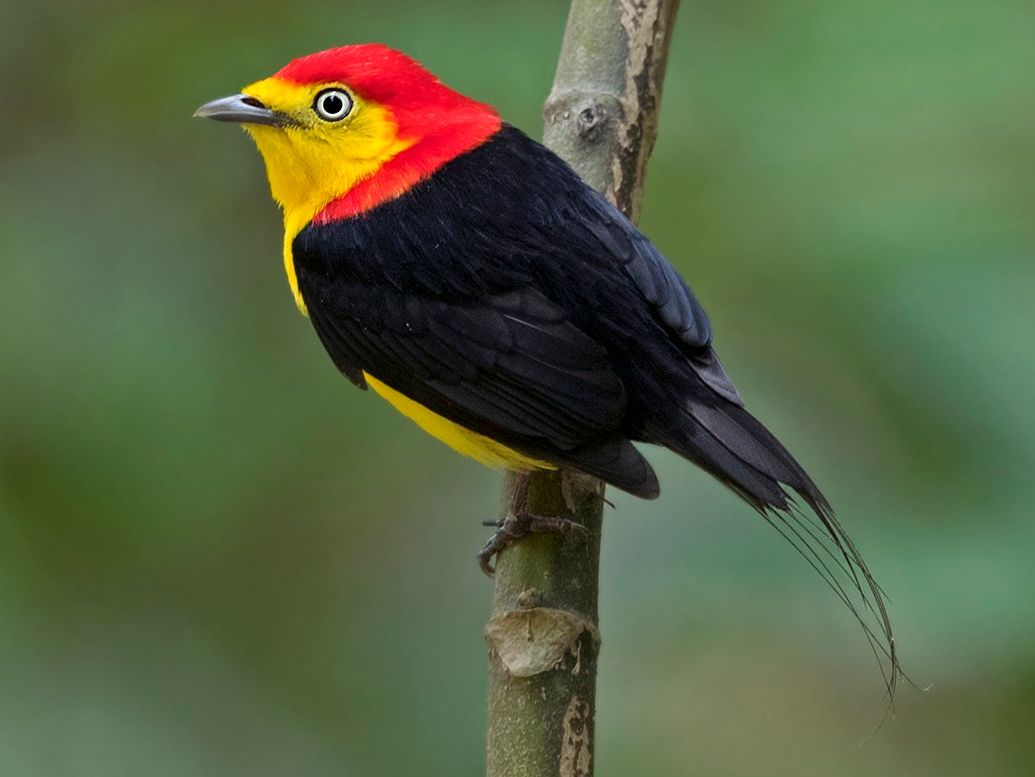
Expect to get excited about Amazonian specialties such as Salvin’s Curassow, Nocturnal Curassow, Red-and-green Macaw, Pearly Antshrike, Hairy-crested Antbird, and Black-necked Red Cotinga, among many others.
THE 8-DAY ITINERARY
Day 1 — Arrival
Quito–Coca by air (30-min flight) or an 8-hour overnight bus. Staff meets guests in Coca at Hotel Auca or the airport; departure at 10:30 AM. From Coca, travel 90 km south along the Auca Road to the Shiripuno Bridge (approx. 2:30 hrs); box lunch served on-site. From the bridge, a 65 km motorized canoe journey downstream (approx. 4 hrs, depending on water level) — the first experience of the Amazon’s wildlife diversity. Dinner and lodging at Shiripuno Lodge.
Day 2 — Primary Forest & Oxbow Lake
Morning: primary forest trail network behind the lodge, targeting Army Ant Specialists — Lunulated Antbird, White-plumed Antbird, Sooty Antbird — plus visits to territories of the rare Wing-banded Antbird, Undulated Antshrike, Pearly Antshrike, and Yellow-billed Jacamar. Time to observe Striped Manakin and Golden-headed Manakin. Lunch. Afternoon: Oxbow Lake visit, searching for the elusive White-lored Antpitta, Long-billed Woodcreeper, Green-and-rufous Kingfisher, and Chestnut-headed Crake. Dinner and lodging at Shiripuno Lodge.
Day 3 — Mirador View (Canopy)
Walk to the Mirador View for canopy species: Brown Jacamar, Yellow-billed Nunbird, Yellow-bellied Tanager, Purple Honeycreeper, Spangled Cotinga, Black-tailed Tityra, Yellow-browed Tody-Flycatcher, Paradise Tanager, and others. Mixed flocks along the trail bring Red-billed Scythebill, Rufous-tailed Antwren, and Amazonian Barred Woodcreeper. Territories of Coraya Wren, Ochre-striped Antpitta, Ash-throated Gnateater, Cinnamon Neopipo, and Yellow-browed Antbird — plus a lekking site for Blue-backed Manakin and White-crowned Manakin. Dinner and lodging at Shiripuno Lodge.
Day 4 — El Misterioso Trail
A full day on El Misterioso Trail, rich in mixed flocks: Yasuní Antwren, Red-crowned Ant-Tanager, Rio Suno Antwren, Ruddy Foliage-gleaner, plus territories of Thrush-like Antpitta, Ringed Antpipit, and Banded Antbird. Lunch in the forest to maximize birding time. Dinner and lodging at Shiripuno Lodge.
Days 5-6 — Skutch Trail
Birding along Skutch Trail targeting Salvin’s Curassow, Ocellated Woodcreeper, Spotted Puffbird, Black-necked Cotinga, Grayish Mourner, Long-winged Antwren, and others. Lunch at the lodge. Afternoon: revisit nearby areas for any species missed. Dinner and lodging at Shiripuno Lodge.
Day 7 — El Saladero Trail & Forest Clay Lick
Birding along the river en route to El Saladero trail, leading to the forest clay lick — a chance to find Scarlet Macaw, Orange-cheeked Parrot, and Scarlet-shouldered Parrotlet. Lunch in the middle of the rainforest. Dinner and lodging at Shiripuno Lodge.
Day 8 — Return Journey & Waorani Community
Early canoe ride upstream toward the Waorani Community — great for surprising Capybaras, tapirs, or resting Caimans, plus Macaws and Toucans visible from the canoe. At the community, guests see how the Waorani retain traditions such as hunting with blowguns and poisoned darts, their language (Wao Terero), and oral knowledge of the rainforest. Responsible tourism here supports conservation fees, handicrafts, canoe drivers, native guides, housekeeping, and kitchen staff. Lunch on the boat. Continue upstream to the bridge, then bus back to Coca (arrival approx. 16:30).
LODGING & DINING
Cabins accommodate up to three people per room, each with a private bathroom and hammock, lit by candles at night, with solar electricity available. Dining features three set menus daily, freshly baked bread, tropical fruit juices, and a balance of Ecuadorian and international food; vegetarian and other dietary needs accommodated on request.
HIGHLIGHTS
- Pristine forest for miles around
- Hub of the Yasuní Wilderness
- Forest clay licks
- Forest swamps
- Oxbow lakes
- Moriche palm swamps
- 100m-high scenery mirador
- Exclusive Amazon beaches
- Remote location, away from oil activities
- 30 km of well-maintained trail
- No other tourist facilities around
- No speedboats or barges
ACTIVITIES INCLUDED
- Natural history hikes
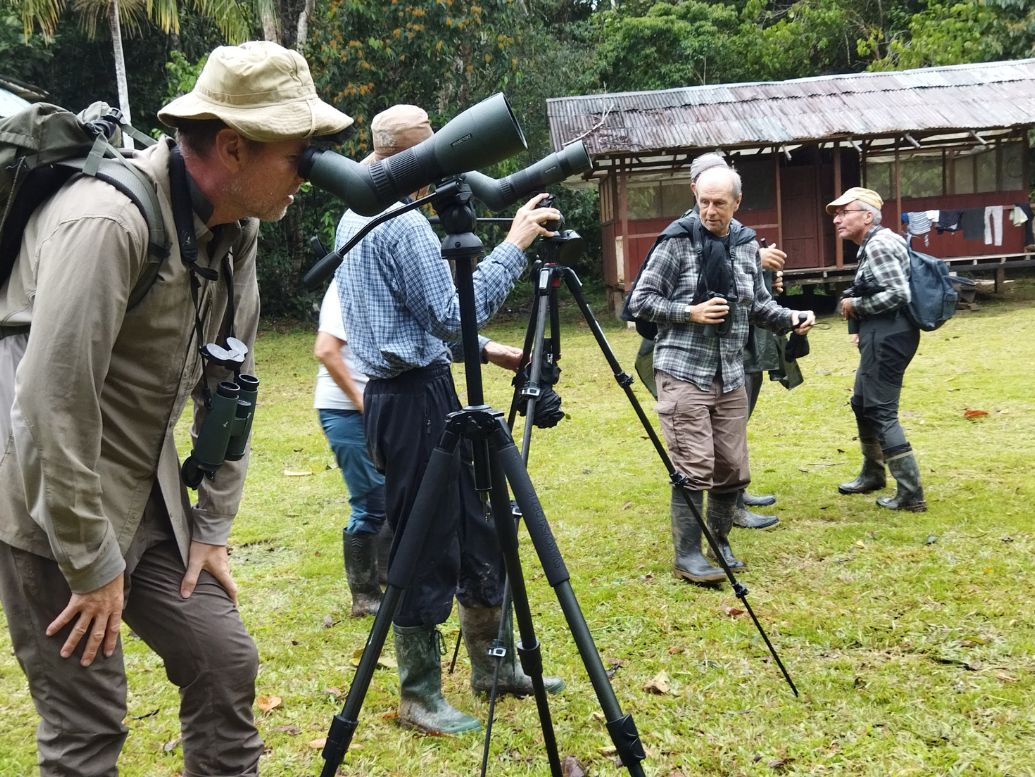
- Birdwatching walks
- Amphibian & reptile walks
- Mammal search walks
- Birdwatching float
- Sunrise/sunset/full-moon canoe floats
- Night walks
- Night hikes
- Nature photography
- Swimming
- Community visit
VISITOR’S NATURE GUIDELINES
Based on experience in the Yasuní since 1998. Guests are asked to help conserve nature by observing: silence in the forest at all times, no disturbance of wildlife, birding playback limited to a max of 3 tries per species, personal use of music only, staying on trails, and no flash photography on birds or mammals.
WHAT TO PACK
Luggage limit: 10 kg. Personal: Passport & vaccine card, personal first aid kit, personal medicine, long trousers, long sleeves, wind jacket, cap/hat, t-shirts, shorts, socks, raincoat, sunglasses, water bottle, bathing suit, insect repellent, waterproof bag, zip-lock bags for wet clothes, biodegradable soap & shampoo.
Technical: Camera with extra memory card, spare batteries and charger, flashlight with rechargeable batteries, waterproof binoculars (8×32 or 10×42), notebook and pencil.
Optional community items (for Waorani community children): notebooks, solar tech, pencils, markers, rulers, toothbrushes, toothpaste, pocket knives.
IMPORTANT TRAVEL INFORMATION
Valid passport required (6+ months beyond return date for US citizens). Traveler’s insurance covering equipment loss and medical evacuation is advised. Yellow Fever and Hepatitis A/B vaccination required for entry to the Yasuní Biosphere Reserve, with proof required before the trip starts.
Shiripuno operates adjacent to the Ecuadorian government’s Intangible Zone (nearly 3,000 sq. miles), protecting the Tagaeri and Taromenane — the last groups living in voluntary isolation in Ecuador.
PRICE
$220 per person, per day — 8 days / 7 nights = $1,760 per person total. Excludes: transportation Quito-Coca-Quito, rain poncho, soft drinks and alcoholic beverages, tips.
CONTACT
www.shiripunolodge.com · contact@shiripunolodge.com · +593 995931479