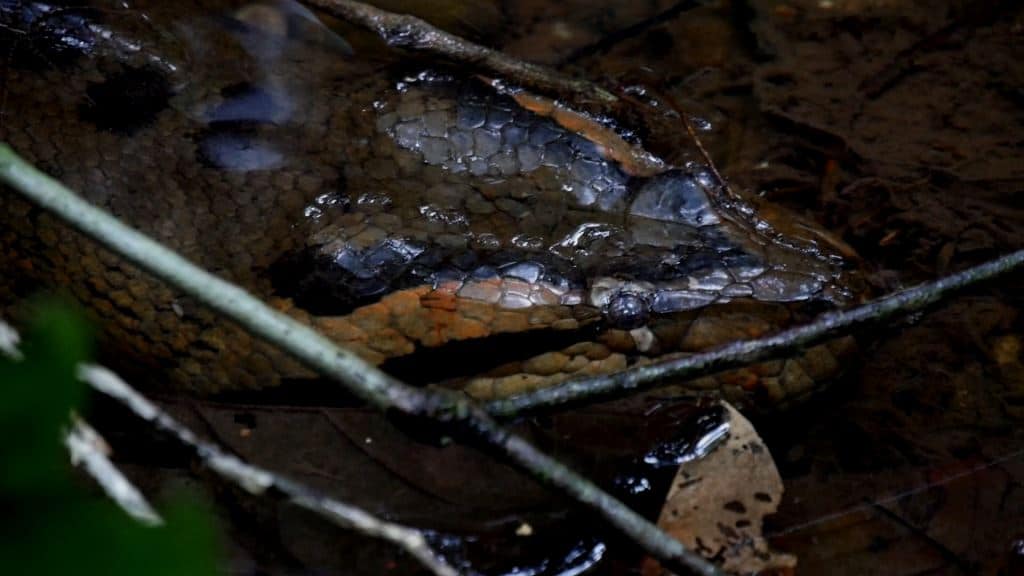
Amazon Herping Week – 8 DAYS in the Yasuni Biosphere Reserve in Ecuador, an opportunity to find amazing Tree Frogs, Anaconda, Cecilian, Turtles and more.
-
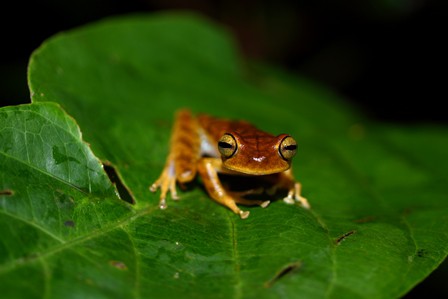
- Hypsiboans Tree Frog ~ Shiripuno Lodge ~ Amazon Herping Week
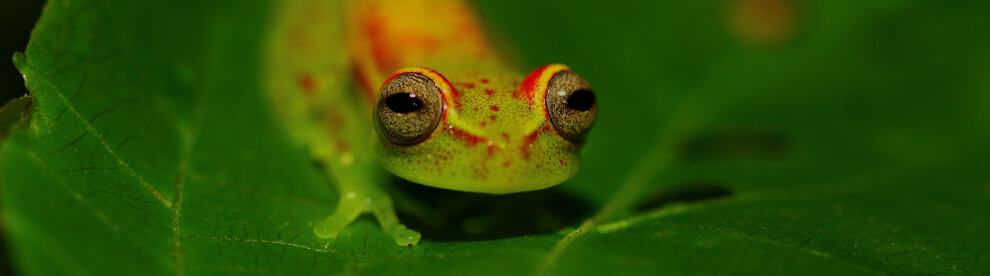
-
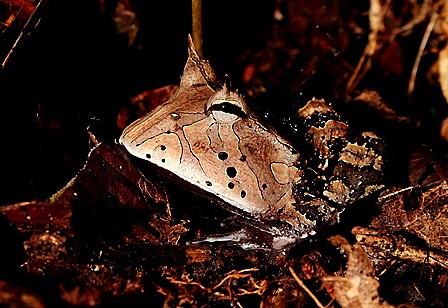
- Shiripuno Lodge ~ The Amazon Horned Rain Frog, it’s a ground-dweller amphibian using its camouflage waits for its prey to pass by, the sit-and-wait technique is used by many species of the Amazon Rainforest.
-
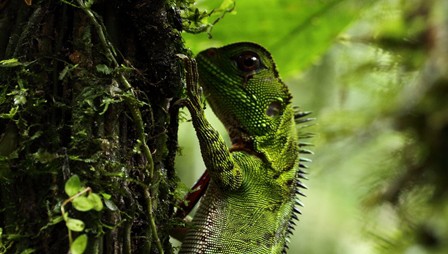
- Amazon Dwarft Iguana ~ Shiripuno Lodge ~ Amazon Herping Week
-
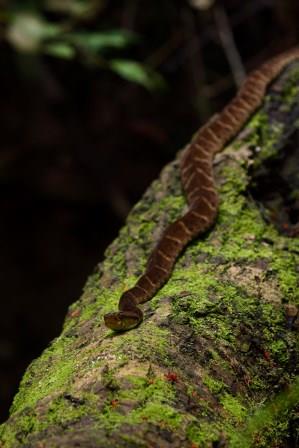
- Fer-de-lance resting along the trunk we used for crossing. Yasuni Biosphere Reserve.
-
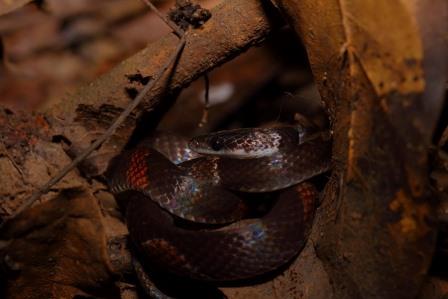
- Calico is ground-dwelling snake, found in the flooded forest of the Yasuni Biosphere Reserve.
-
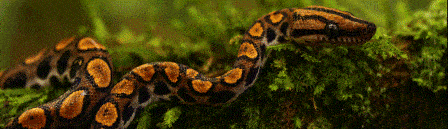
- Rainbow Boa, it lives inside leafcutters ants colonies. Yasuni Biosphere Reserve.
-
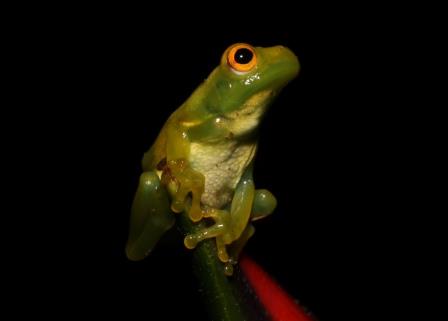
- Amazon Tree Frog. Yasuni Biosphere Reserve in Ecuador.
-
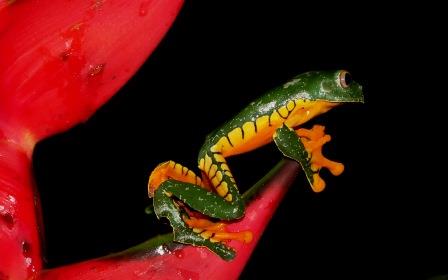
- Amazon Leaf Frog (Cruziohyla craspedopus)
-

- Bushmaster molting: notice the whitish eye. Yasuni Biosphere Reserve. Photo by our guide Daniel Hicks
-
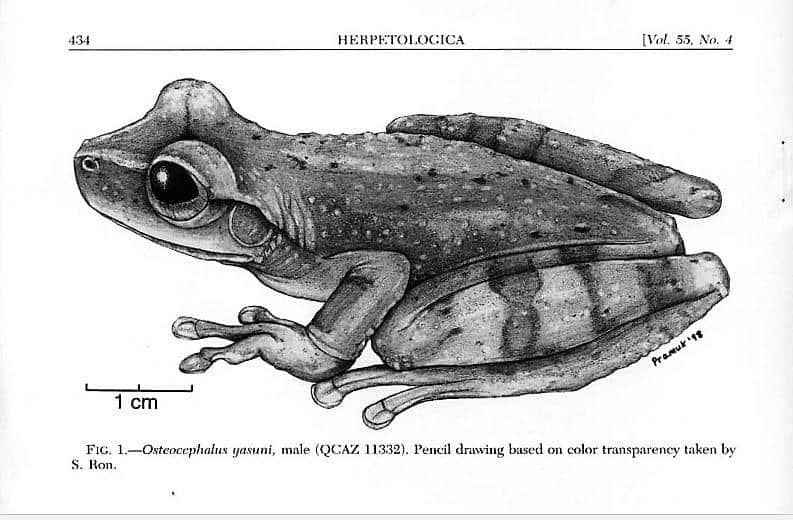
- A new species of the hylid frog genus Osteocephalus from the upper Amazon Basin of Ecuador and Pen! is described. It most closely resembles 0, planiceps, but it differs in the absence of pale stripes on the heels and above the vent, in being smaller, and lacking brown spots on the Hanks. The new species, O. yasuni, is unique within Osteocephalus in having extensive yellow ventral coloration.
-
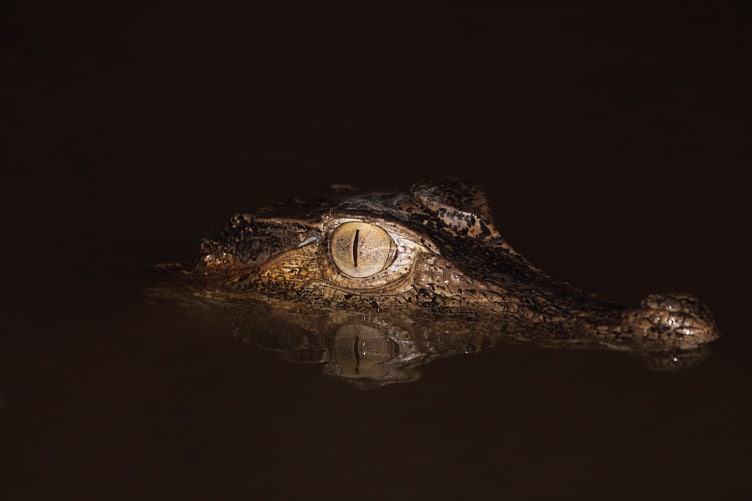
- The Smooth-fronted Caiman likes to eat catfish.
Overview
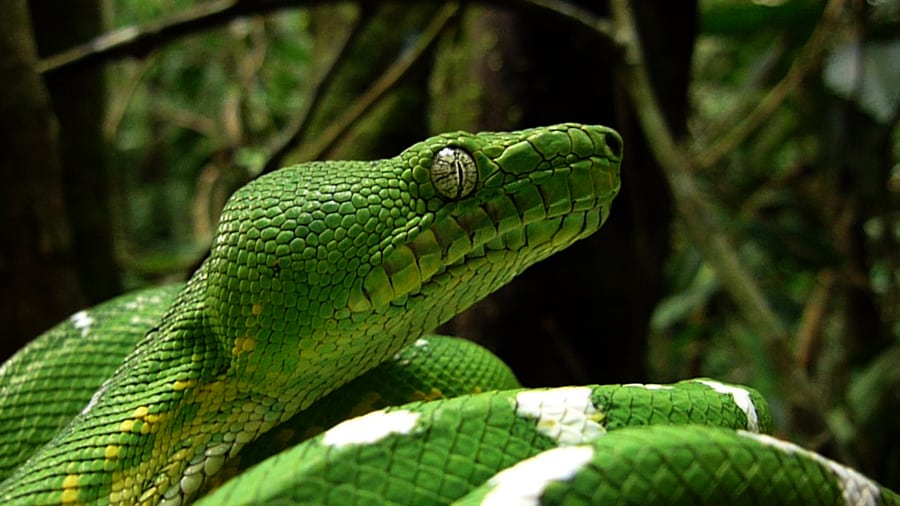
Emerald Tree Boa
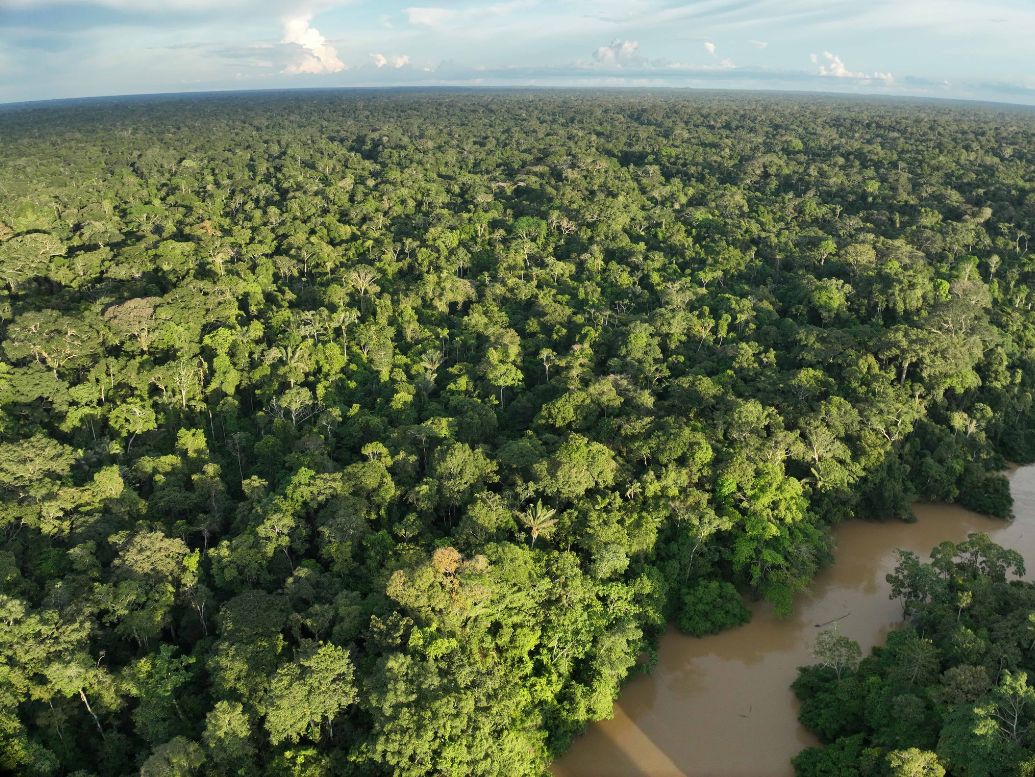
Our Wildlife Amazon Herping Week would be in the depths of most biodiverse on the planet: The Yasuni Biosphere Reserve in Ecuador.
Yasuni harbours roughly one-third of the Amazon Basin´s amphibian and reptile species, despite covering less than 0.15% of its total area.
Shiripuno Lodge has designed a trip, the first of its kind to explore the diversity of the Herpetofauna of the Yasuni Herpetofauna: 271 species of amphibians and reptiles.
8 Days Itinerary:
DAY 01: Quito-Coca by airplane. From Coca we will travel 90 km south into the Yasuni Biosphere Reserve along the Auca Road, by “Chiva” (small local bus) to the Shiripuno Bridge (approx. 2:30 hrs). A Box Lunch will be served at this point.
We will then navigate 65 km (approx 4 hrs depending on water level) downstream by motorized canoe to reach Shiripuno Lodge.
This will become your first experience of the wide diversity of wildlife of the Amazonian Rainforest. Dinner and lodging at Shiripuno Lodge.
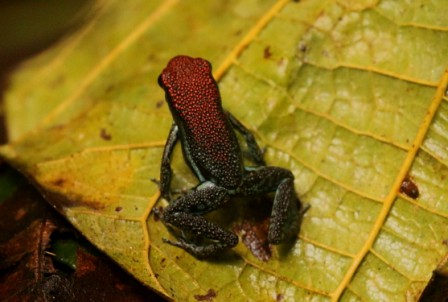
DAY 02 – 07: Breakfast. Hikes to the surrounding trails to hunt for diurnal species. Brightly coloured Poison Frogs (Epipedobates sp.) can be found during the day calling from the forest floor.
Amazon Dwarf Iguana ~ Shiripuno Lodge ~ Amazon Herping Week
Forest Lizards can be encountered next to mud puddles and light gaps within the forest.
Hypsiboans Tree Frog ~ Shiripuno Lodge ~ Amazon Herping Week
Smooth-fronted Caiman (Paleosuchus trigonatus), Yellow-spotted River Turtle (Podocnemis unifilis) and Golden Tegu (Tupinambis teguixin) bask along the river on a sunny day.
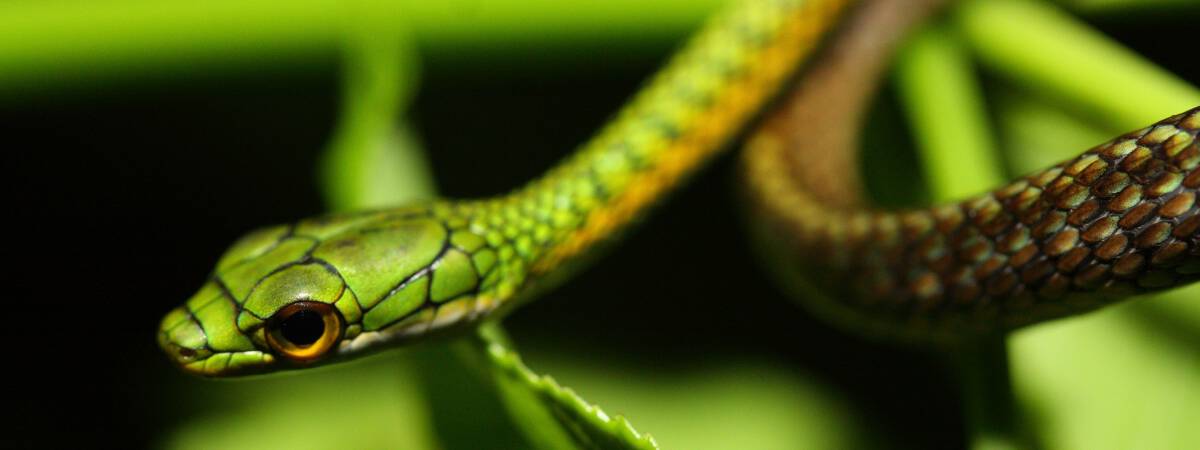
Snakes such as Green- striped Vine Snake (Oxybelis argenteus) are found during the day within vines in the understory, while Tiger Rat Snakes (Spilotes pullatus) occurs in light gaps and Common False Viper (Xenodon rhabdocephalus) in terra firme leaf litter. Fer-de Lance (Bothrops atrox) next to rivers during sunny days, or the Bushmaster (Lachesis muta) resting on big buttresses. Lunch. Different trials, different forest, different species.
Dinner. Night walks to different habitats for nocturnal species. From tiny Glass Frogs (Cochranella sp.) resting on vegetation over the water to the impressive Smoky Jungle Frogs (Leptodactylus pentadactylus) calling out from the river bank.
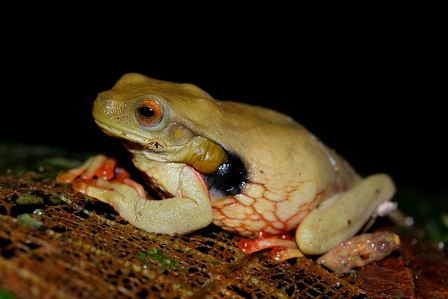
Trachycepahlus Tree Frog ~ Shiripuno Lodge ~ Amazon Herping Week
The Tree Frogs (Hypsiboas sp.) become very active as night approaches especially next to an oxbow lake.
Anoles can be found resting on small branches close to the ground at night and Western Coral Snakes (Micrurus spixii) at night after the rain.
The remote Tropical Rainforest of Shiripuno Lodge offers a unique opportunity to find a great number of species of the Amazonian Herpetofauna.
DAY 08: After breakfast, we will navigate upstream to the Waorani Community. Early canoe rides are great to surprise animals crossing the river such as Capybara, Tapir or resting Caimans. Birds such as Macaws and Toucans can also be seen from the canoe.
Poison Dart Frog ~ Shiripuno Lodge ~ Amazon Herping Wekk
At the Waorani Community you will see the effects of the modern world while seeing how the Waorani still retain most of their traditions such as hunting with blowguns and poisoned darts, the knowledge of the Rainforest and their language Wao Terero.
Responsible tourism brings revenue to all of the families within the community, by selling handcrafts, employing canoe drivers, native guides, housekeeping and kitchen assistants and others activities. We will continue the navigation upstream to the bridge, having lunch on the way, before then taking the bus back to Coca (arrival at 16:30 approx.).