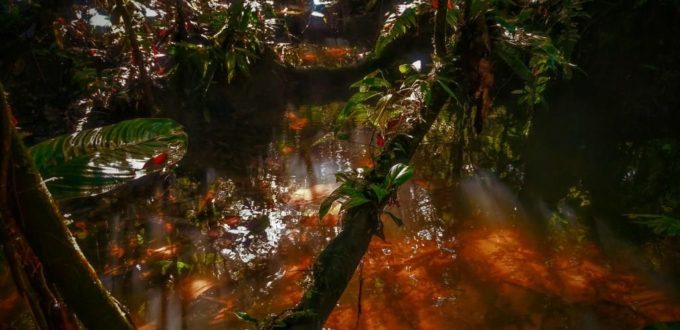
The Amazon Rainforest or the Amazon Basin? Which term is Right to use?
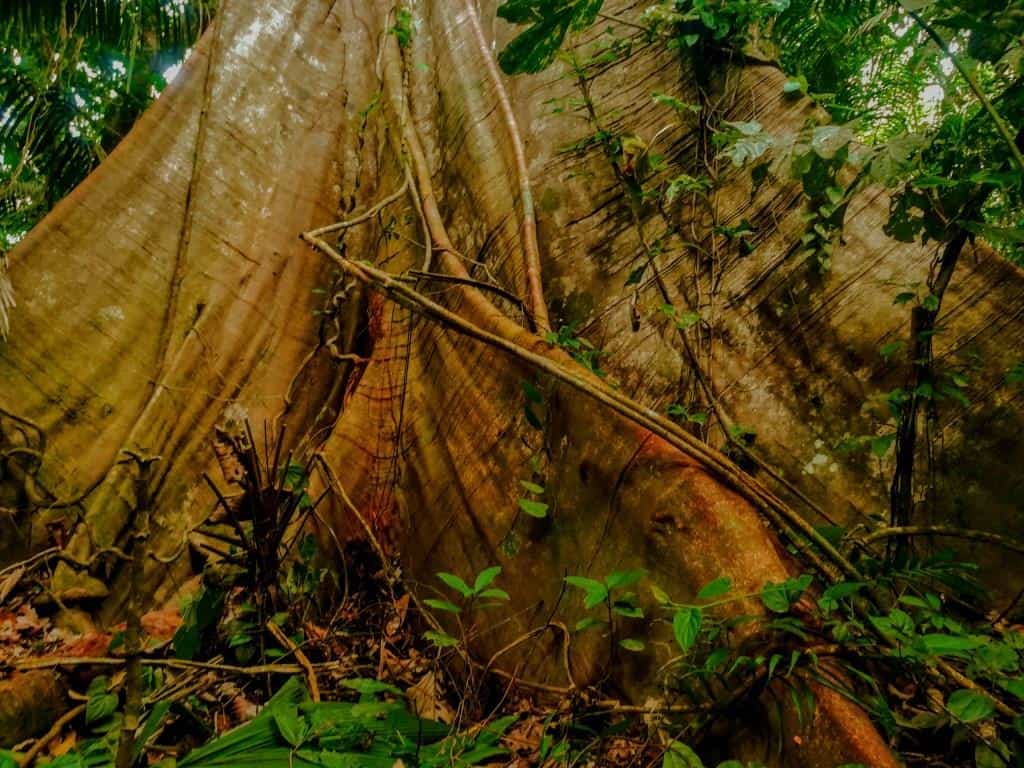
Amazon Rainforest trees have huge buttresses!
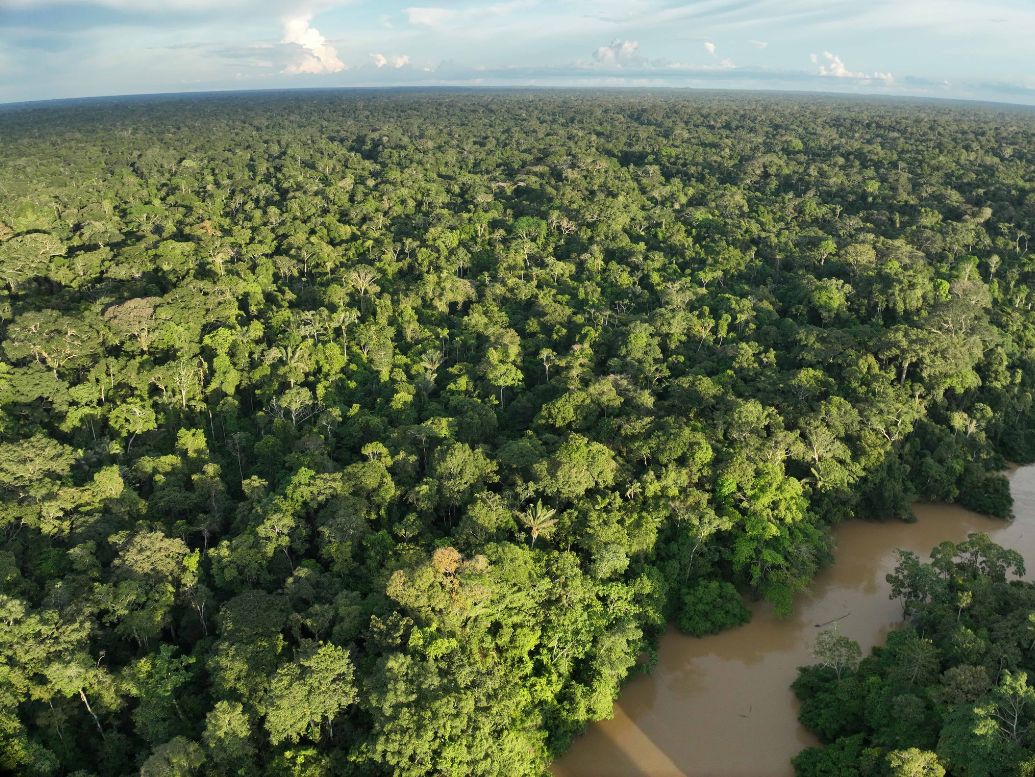
The Amazon Rainforest describes a whole Tropical Evergreen Forest between the Andes and the Guyana Shield, and the Amazon Basin refers to the drainage system of the Amazon River.


The Amazon Rainforest would play an important role in global climate change. Its natural ability to sequester carbon from the atmosphere at store it in a beautiful way, hopefully, would encourage its conservation.
How Big is the Amazon Rainforest?
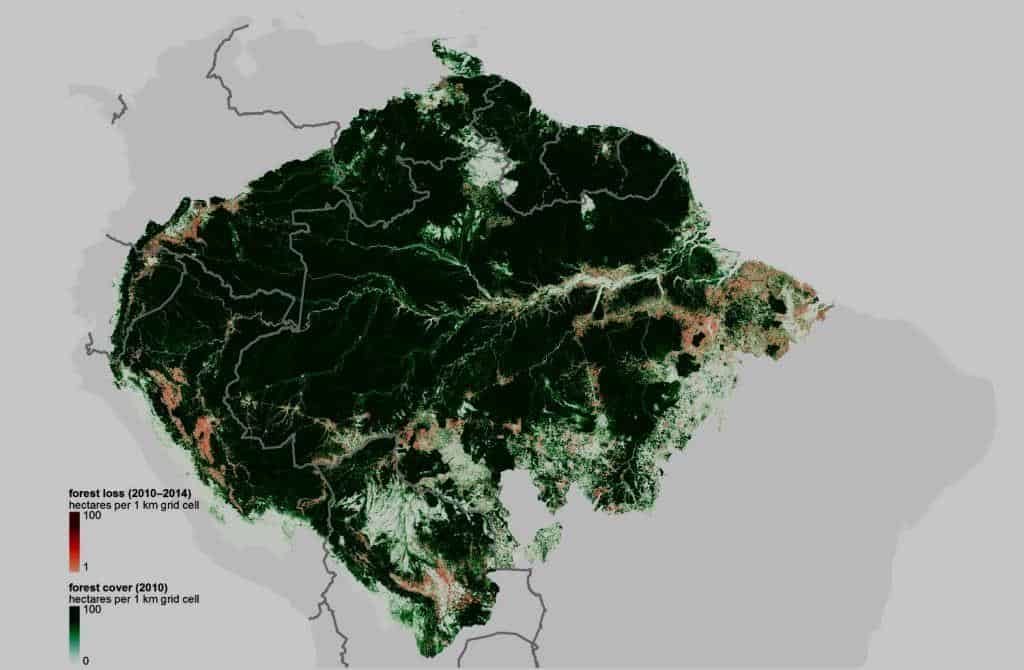
This tropical forest has 5.5 million km², covering much of northwestern Brazil and extending into Colombia, Peru, and other South American countries.
The Amazon Rainforest has millions of square hectares that need to be protected as soon as possible.
The Table below shows the Amazon Rainforest in numbers.
| Total land area | Total forest cover
2005 |
Primary forest cover
2005 |
Total
deforestation 1990-2005 |
Loss of
primary forest 1990-2005 |
||||||||||
| Country | (1000 ha) | (1000 ha) | % of the total
land area |
(1000 ha) | % of the total
land area |
%
of 1990 forest cover |
% of 1990
primary forest cover |
|||||||
| Bolivia | 109,858 | 58,740 | 54.2 | 29,360 | 26.7 | -6.5 | -6.5 | |||||||
| Brazil | 851,488 | 477,698 | 57.2 | 415,890 | 48.8 | -8.1 | -9.7 | |||||||
| Colombia | 113,891 | 60,728 | 58.5 | 53,062 | 46.6 | -1.2 | -1.5 | |||||||
| Ecuador | 28,356 | 10,853 | 39.2 | 4,794 | 16.9 | -21.5 | 0.0 | |||||||
| French Guiana | 9,000 | 8,063 | 91.8 | 7,701 | 85.6 | -0.3 | -2.6 | |||||||
| Guyana | 21,497 | 15,104 | 76.7 | 9,314 | 43.3 | 0.0 | n/a | |||||||
| Peru | 128,522 | 68,742 | 53.7 | 61,065 | 47.5 | -2.0 | -2.9 | |||||||
| Suriname | 16,327 | 14,776 | 94.7 | 14,214 | 87.1 | 0.0 | 0.0 | |||||||
| Venezuela | 91,205 | 47,713 | 54.1 | – | n/a | -8.3 | n/a | |||||||
Location
The Amazon Rainforest is located in South America in the following countries:
- Brazil
- Colombia
- Ecuador
- Peru
- Venezuela
- Bolivia
- Guyana
- Surinam
- French Guiana
Map
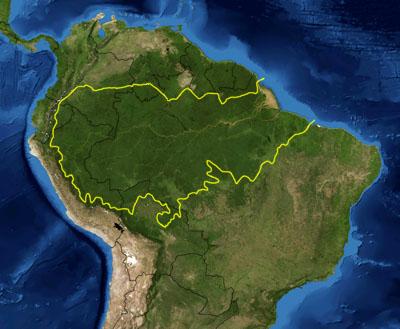
Amazon Rainforest
The Amazon Rainforest covers a big portion of South America Tropical Rainforest
Map of Rivers
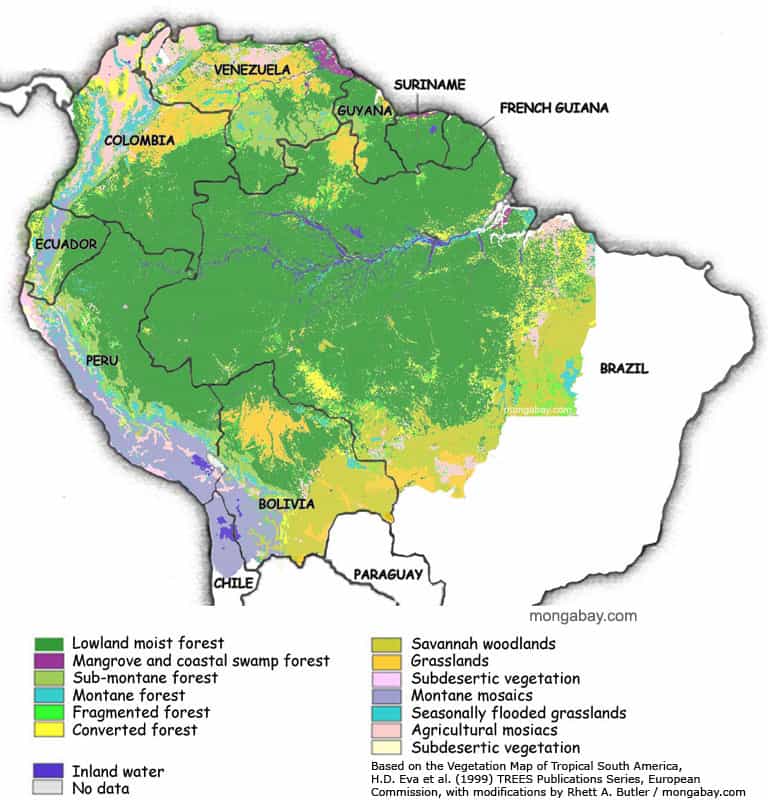
The Amazon Basin, where all the major rivers end up in the mighty Amazon River itself.
People
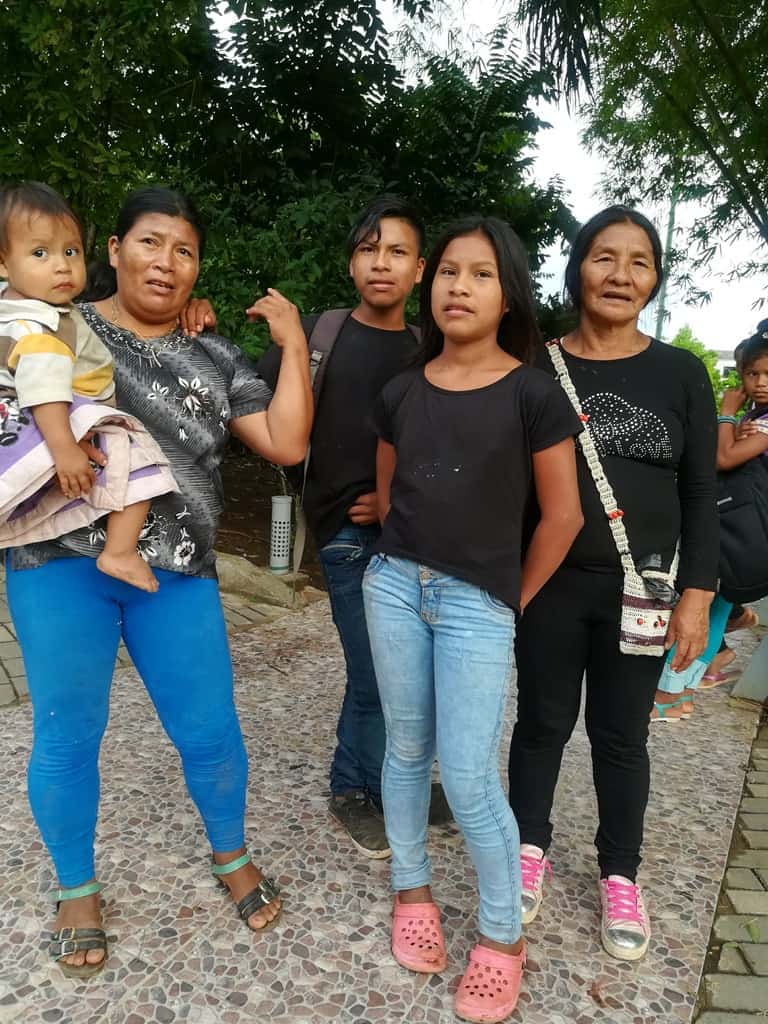
The Waorani People Today
People living in the Amazon have a profound mark. Developing ideas and a frantic chase for natural resources such as oil, mining, logging, and illegal hunting. Indigenous People turn out to be the Guardians of the Rainforest.
Climate
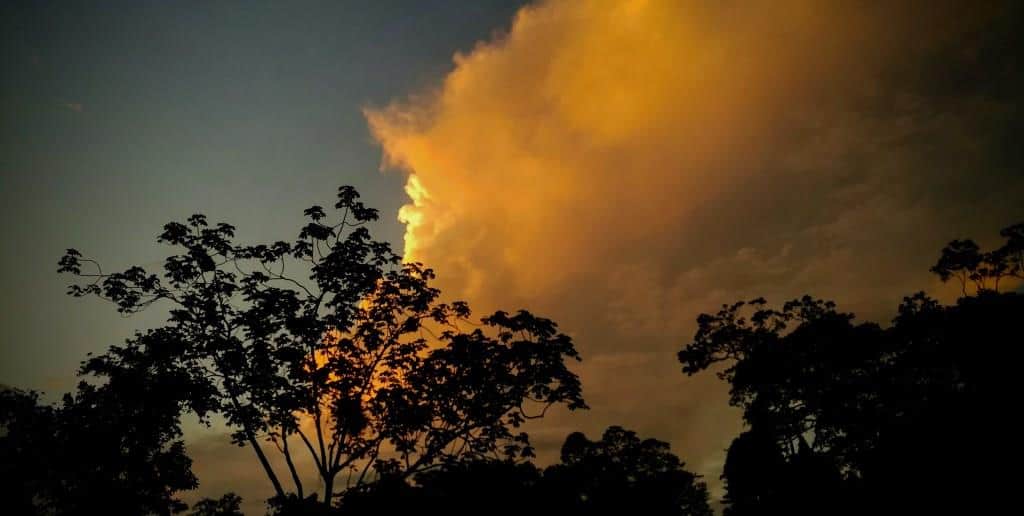
Rainforest Climate
The Climate and Weather in the Amazon Rainforest vary with the amount and time of the rainfall. Northern would be closer to the Equator, hotter, and Southern would be affected by light breezes -outbreaks of cool polar air from the south, bringing thunderstorms and strong gusty winds that occasionally exceed 60 miles per hour. These air masses move northward into the Amazon basin (where they are called friagems)
Some Amazon Curious Facts
Here is a list of Amazon Rainforest Facts
- Only 6% of our planet’s surface is covered by the rainforest.
- It is home to over 390 billion individual trees divided into 16,000 species.
- Around 400-500 indigenous Amerindian tribes call the Amazon rainforest home.
- There are around 40,000 plant species, 1,300 bird species, 3,000 types of fish, 430 mammals, and a whopping 2.5 million different insects.
- Takes carbon dioxide out of the air and releases oxygen back; more than 20% of the world’s oxygen is produced by the Amazon.
- It’s estimated that if climate change were to increase the world’s temperature by only 3 degrees Celsius, then 75% of the Amazon would be destroyed.
Ecosystem
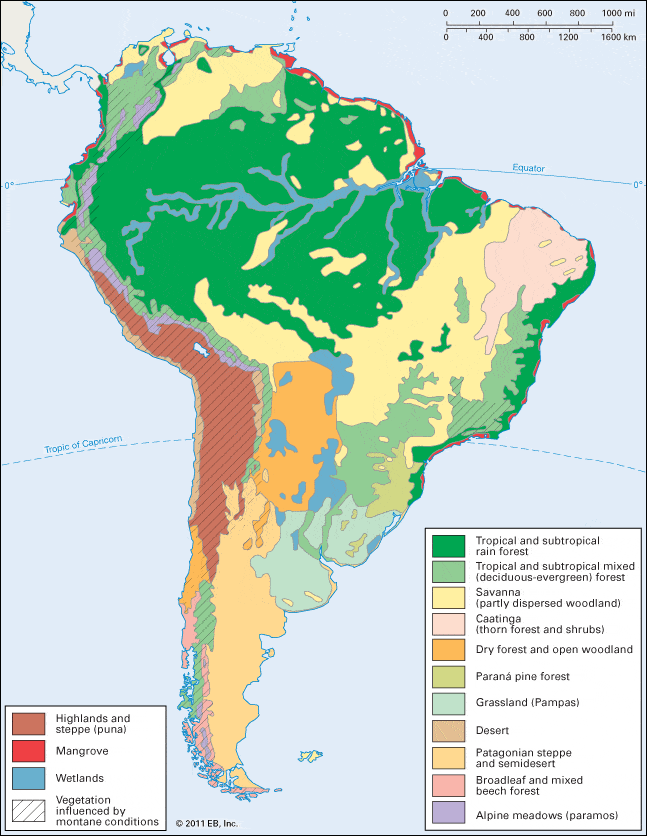
The map of the Bioregions of South America
The Mosaic of Amazon Rainforest Ecosystems fuels its diversity of
- Terra Firme
- Varzea
- Igapo
- River Islands
- Oxbow Lakes
Animals
The most Iconic Amazon Rainforest Animals are listed below
- Monkeys of several species inhabit the forest.
- Snakes are diurnal and nocturnal, broad range of specific and unique species.
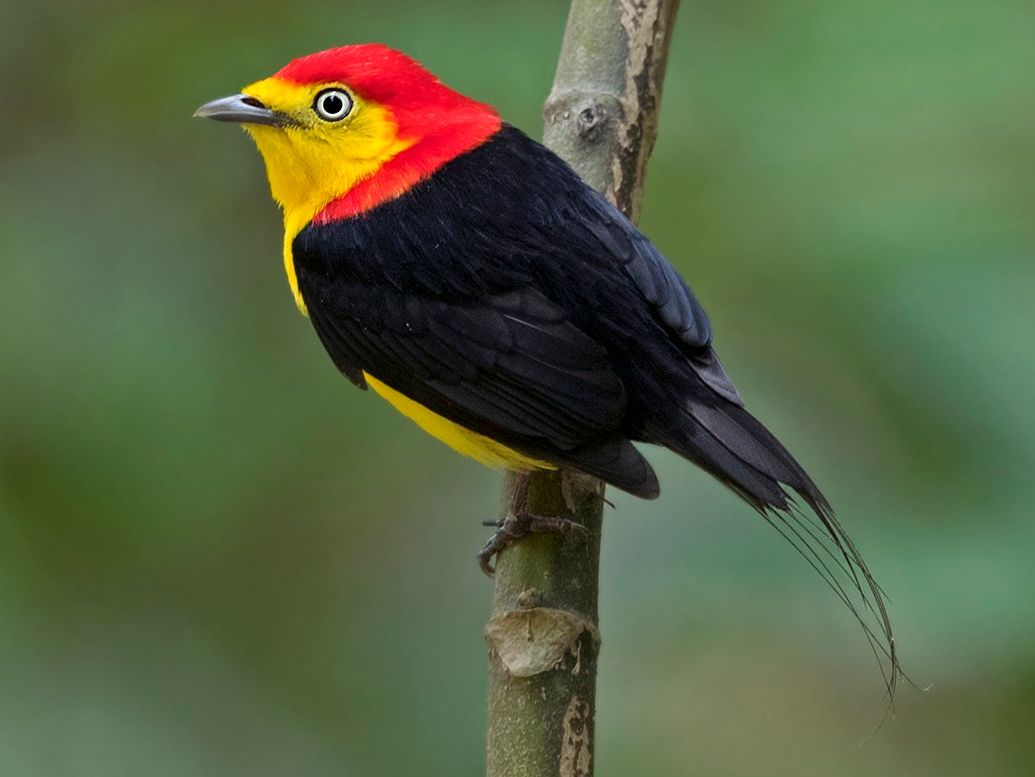
- Birds of all colors, shapes, and sizes
- Insects will blow your mind with colors, shapes, and lifestyles
- Anteaters are unique in their kind, restricted to South America.
- Tapirs are the largest herbivores of the rainforest
Plants
The most Iconic Amazon Rainforest Plants, listed below:
- Cacao
- Rubber Tree
- Vanilla Orchid
- Kapok Tree
- Curare