
Learn about the Common Trees of the Amazon Rainforest living in the Yasuní.

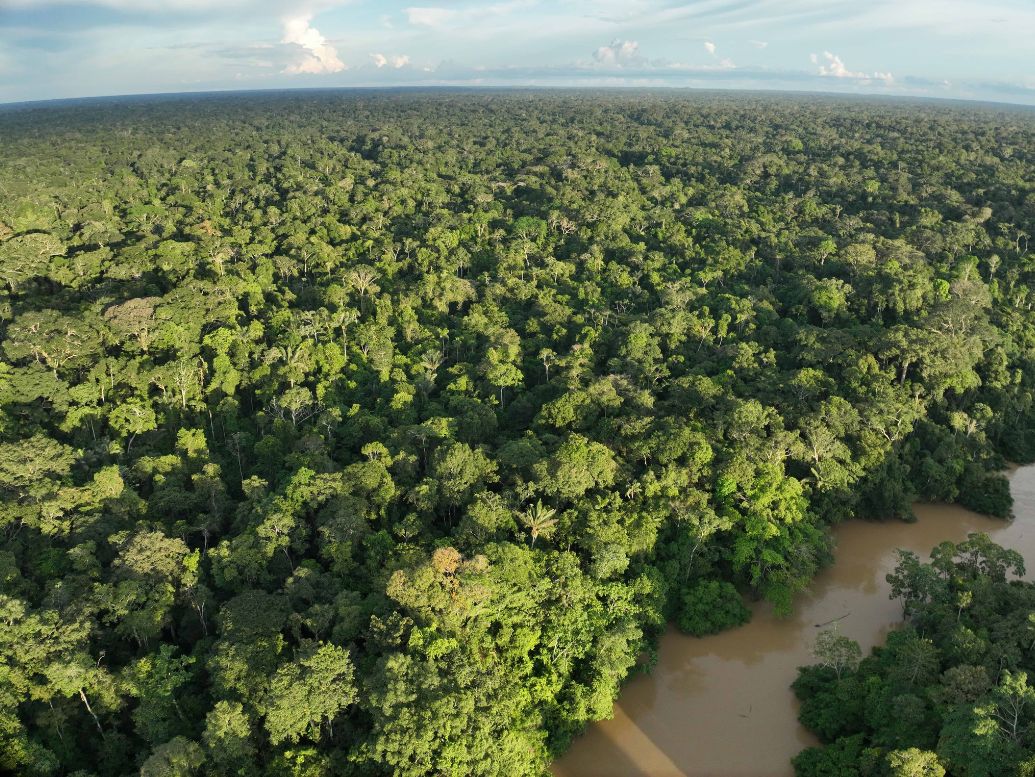
Amazon Rainforest, or Amazon Basin, is an Ocean of Trees.
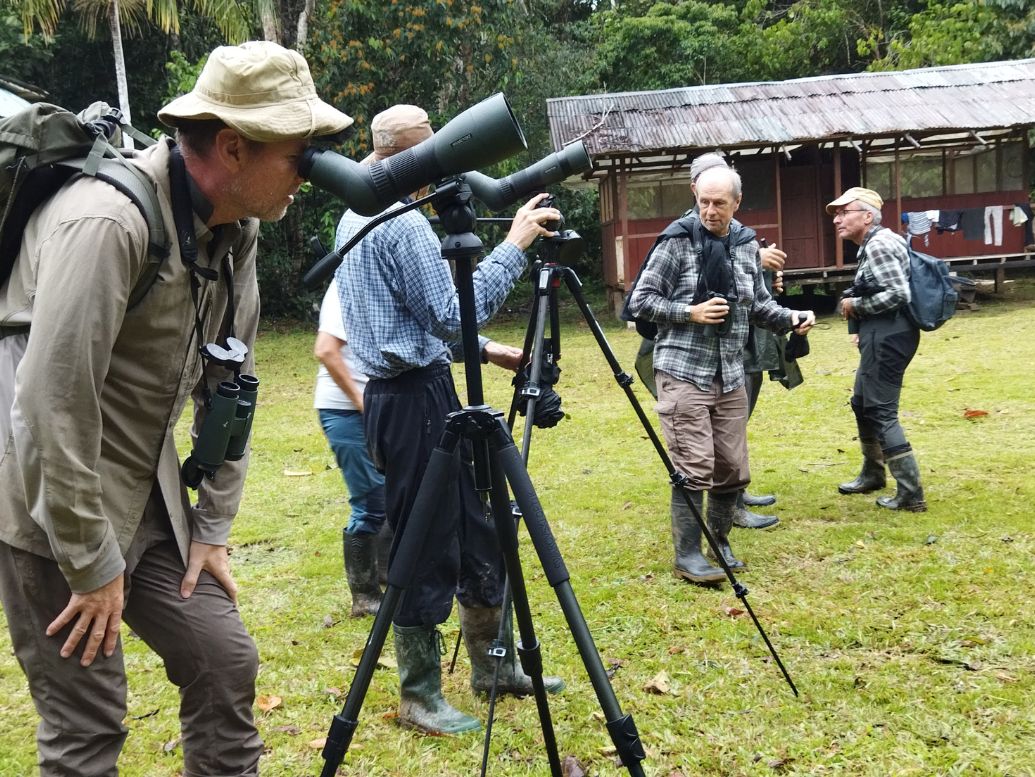
During your Trip to the Amazon Rainforest in Ecuador, you will be learning about trees, their life history, ecological relationships with other forest creatures, and also watch local people use them.
It seems endless, yes! The Amazon Rainforest is an ocean of trees.

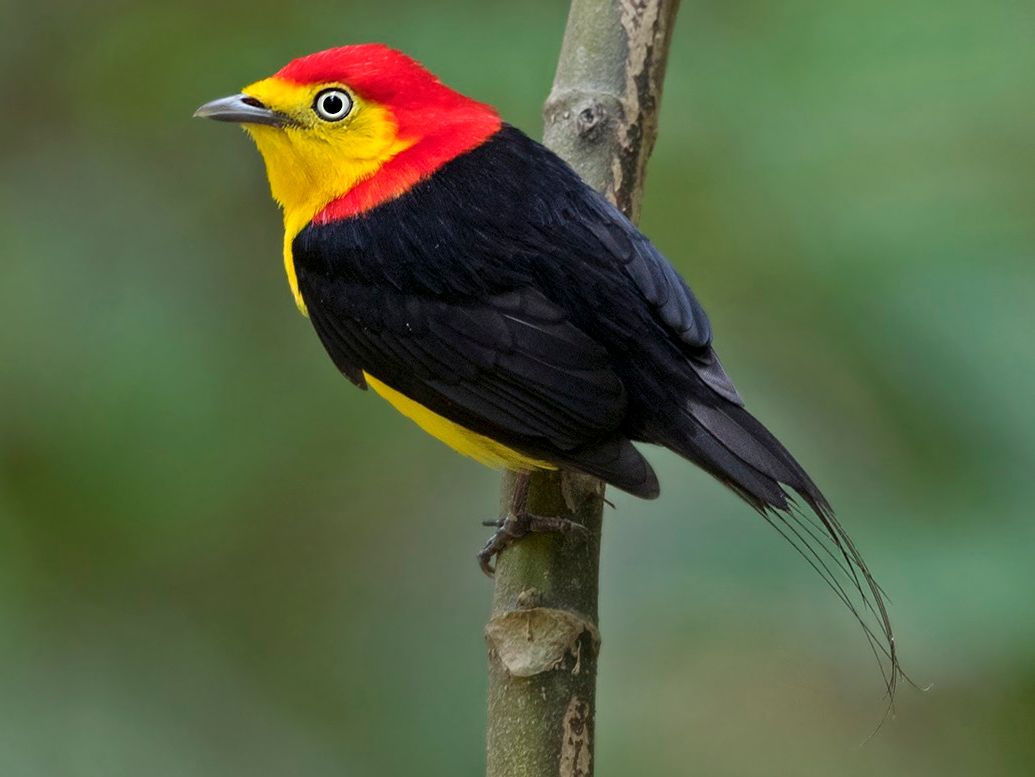
The Wildlife of the Amazon Rainforest has all kinds of uses for trees.
You will learn about the Common trees living in the Yasuní Biosphere Reserve, which comprises the Yasuní National Park, the Waorani Ethnic Reserve, and the 10 km Buffer Zone.
The Yasuní National Park was established on 29 July 1979, and the Waorani Ethnic Reserve was established in 1990.
The Yasuní Biosphere Reserve was established in 1989 by UNESCO as a Mankind Biosphere Reserve for future generations of the world.
The most important rivers in the Yasuní are the Napo River, Tiputini River, Tivacuno River, Shiripuno River, Yasuní River, Nashiño River, Cononaco River, and Curaray River.

Ceiba tree, or kapok, is the largest tree found in the Amazon Rainforest in Ecuador.
What Weather is needed for An Ocean of Trees?
The trees have adapted to live in a tropical humid climate with no seasons, with an average of 3200 mms of rainfall and an average temperature between 24 – 27 °C, with the absolute extremes of 15 – 38 °C.

The Trees in the Amazon Rainforest have all kinds of uses; for navigation, water-resistant species of trees are selected.
What Soil types Trees of the Rainforest Prefer?
The Soil of the Yasuní is derived from tertiary drained sediments and volcanic sediments; like in many northern Amazonian regions, the Yasuní has a wide range of topographic variations, causing important changes in the type of soil and vegetation.
The Terra Firme soils are well drained and oxygenated, with a high content of clay and poor in organic matter. There is a significant variation in nutrient accumulation related to inclination and elevation.
List of the Trees that can be found in Terra Firme:
- Anacardium excelsum (Bertero & Balb.) Anacardiaceae
- Calophyllum longifolium (Willd.) Clusiaceae
- Dipteryx panamensis (Pitt.) Papilionoideae
- Gustavia superba (H.B.K.) Berg. Lecythidaceae
- Tabebuia rosea (Bertl.) Bignoniaceae
- Virola surinamensis (Rol.) Warb. Myristicaceae

Many Mammals of the Amazon Rainforest use trees to hide in plain sight!!
Várzea, or Seasonal Floodplain soils inundated by whitewater rivers that occur in the Amazon biome, composed of alluvial and fluvial Holocene sediments (less than 10,000 years old) loosed from the eastern slopes of the Andes Mountains.
List of the Trees that can be found in Varzea or Seasonal Floodplain:
- Carapa guianensis (Aubl.) Meliaceae
- Pachira aquatica (Aubl.) Bombacaceae
- Pentaclethra macroloba (Willd. Kuntze) Mimosoideae
- Prioria copaifera (Griseb.) Caesalpinioideae
- Pterocarpus officinalis (Jacq.) Papilionoideae
- Pterocarpus sp. Papilionoideae

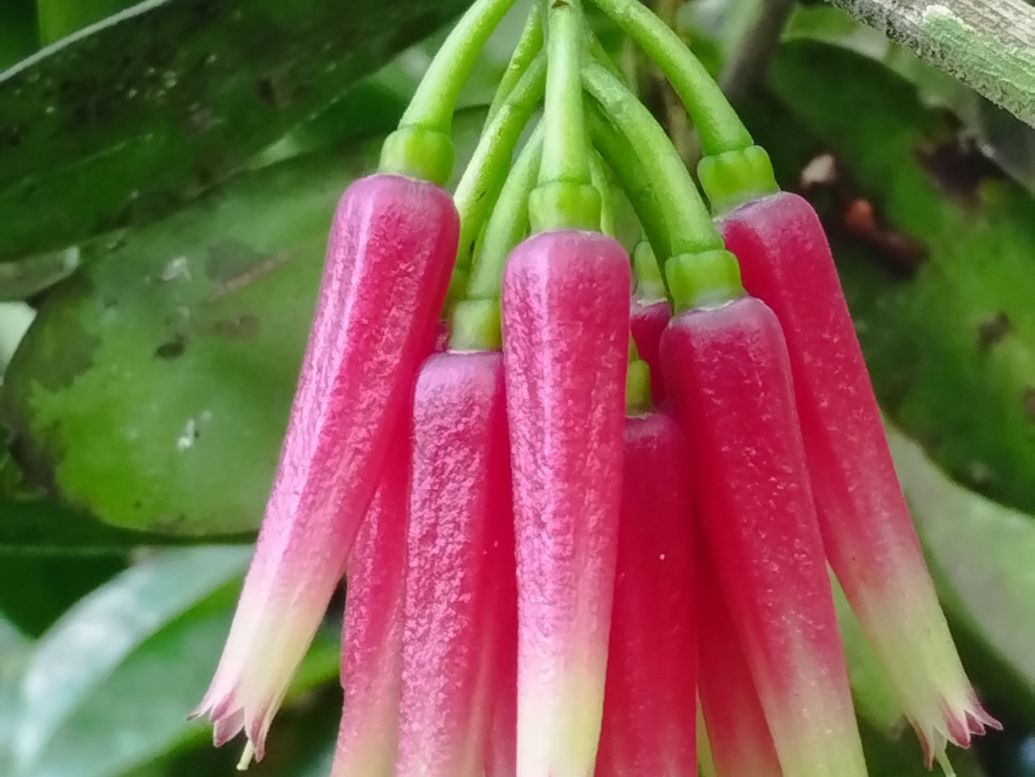
The Trees in the rainforest provide all kinds of resources to the forest creatures. Brownea produces a lot of sugar for hummingbirds, bees, and other insects, driven by the sugar.
The Common Genera of Pioneer Trees of the Rainforest
-
Spondias (ANACARDIACEAE)
Spondias is a genus of flowering plants in the cashew family. They are distantly related to apple and plum trees. There are 7 species native to the Neotropics. They are commonly called hog plums, Spanish plums, and, in some cases, golden apples.
-
Schefflera (ARALIACEAE)
-
Jacaranda (BIGNONIACEAE)
-
Ochroma BOMBACACEAE
-
Cordia BORAGINACEAE
-
Jacaratia CARICACEAE
-
Cecropia CECROPIACEAE
-
Pourouma CECROPIACEAE
-
Terminalia COMBRETACEAE
-
Muntingia TILIACEAE – MUNTINGIACEAE
-
Aparisthmium EUPHORBIACEAE
-
Croton EUFORBIACEAE
-
Hyeronima EUPHORBIACEAE
-
Margaritaria EUPHORBIACEAE
-
Sapium EUFORBIACEAE
-
Inga FABACEAE
-
Schizolobium FABACEAE
-
Miconia MELASTOMASTACEAE
-
Cedrela
-
Ficus MORACEAE
-
Triplaris POLYGONIACEAE
-
Zanthoxylum RUTACEAE
-
Guazuma STRECULIACEAE
-
Apeiba TILIACEAE
-
Heliocarpus TILIACEAE
-
Trema ULMACEAE